M1 Garand
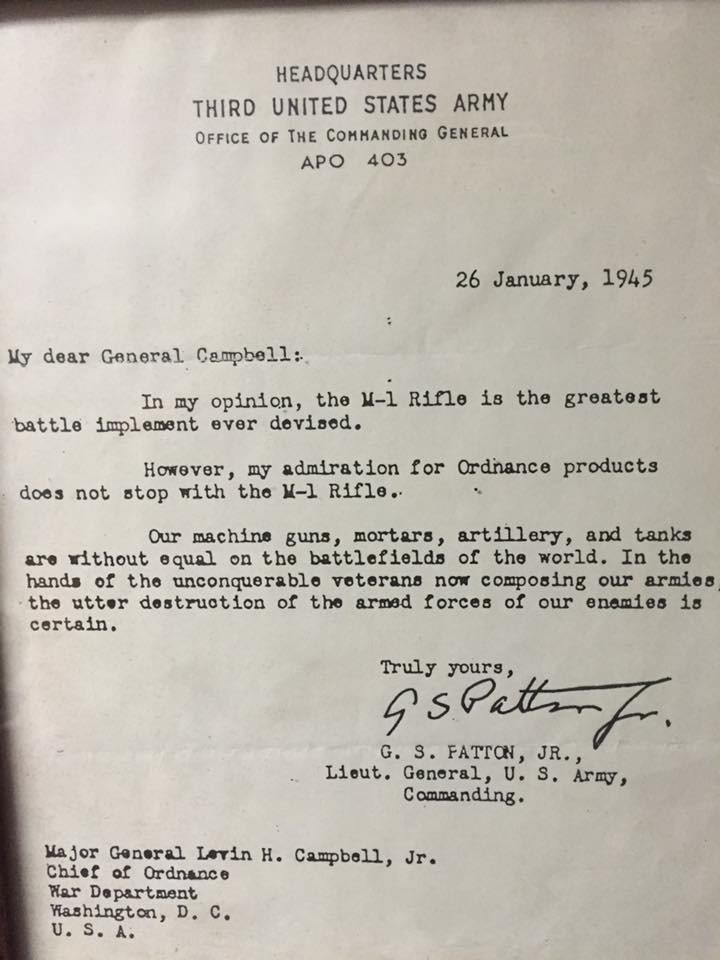
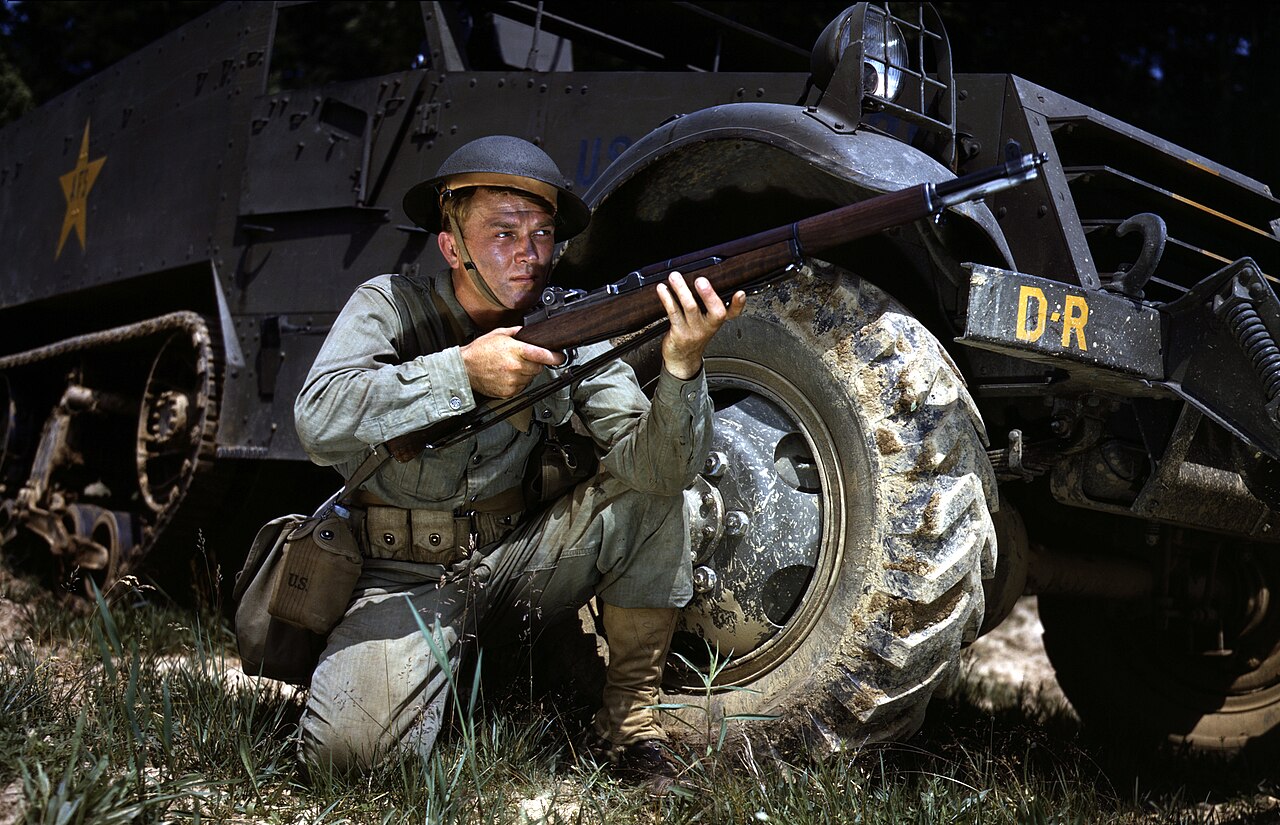
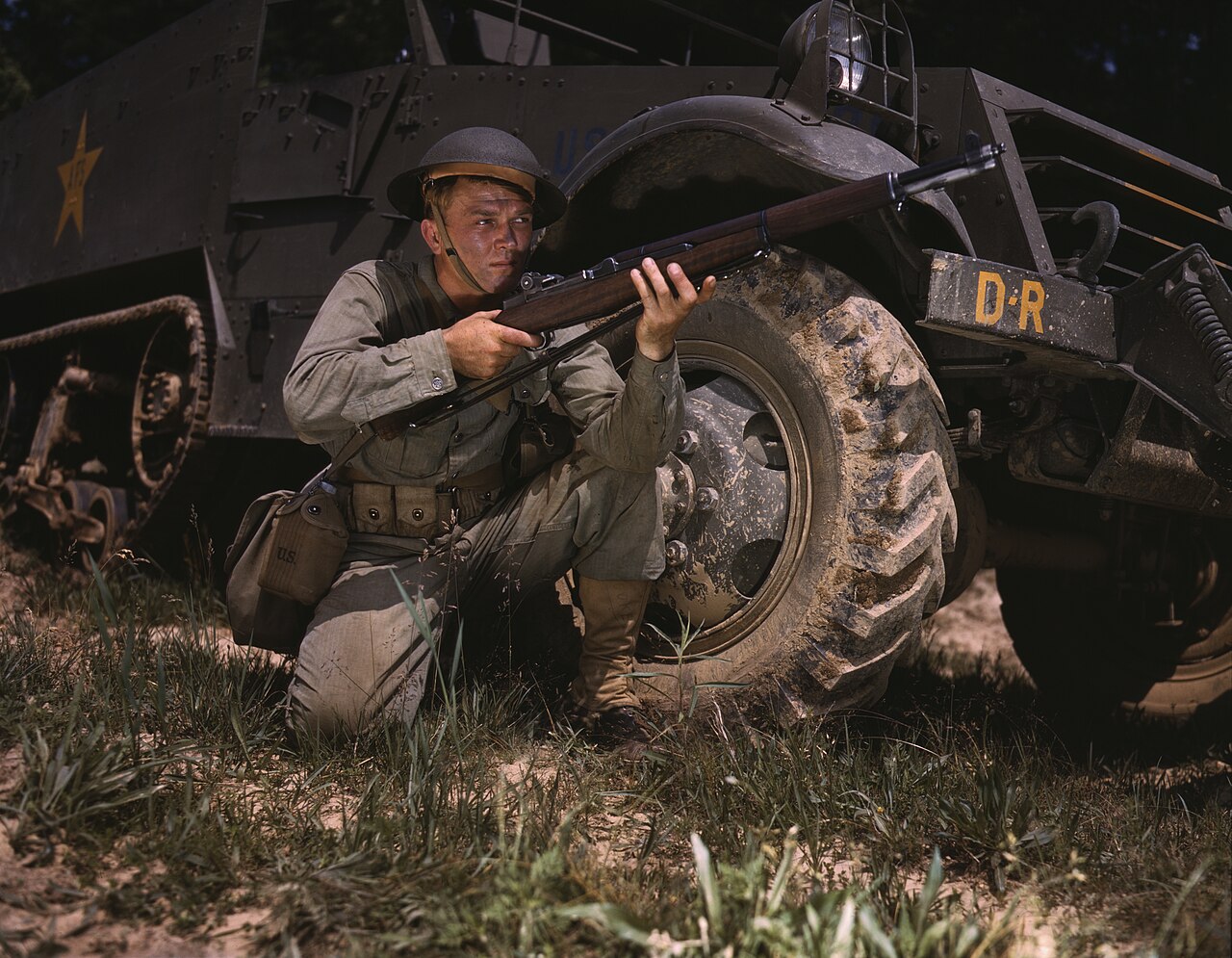
The greatest battle implement ever devised, firing eight precise shots before the distinctive ping.

US Army · Public domain
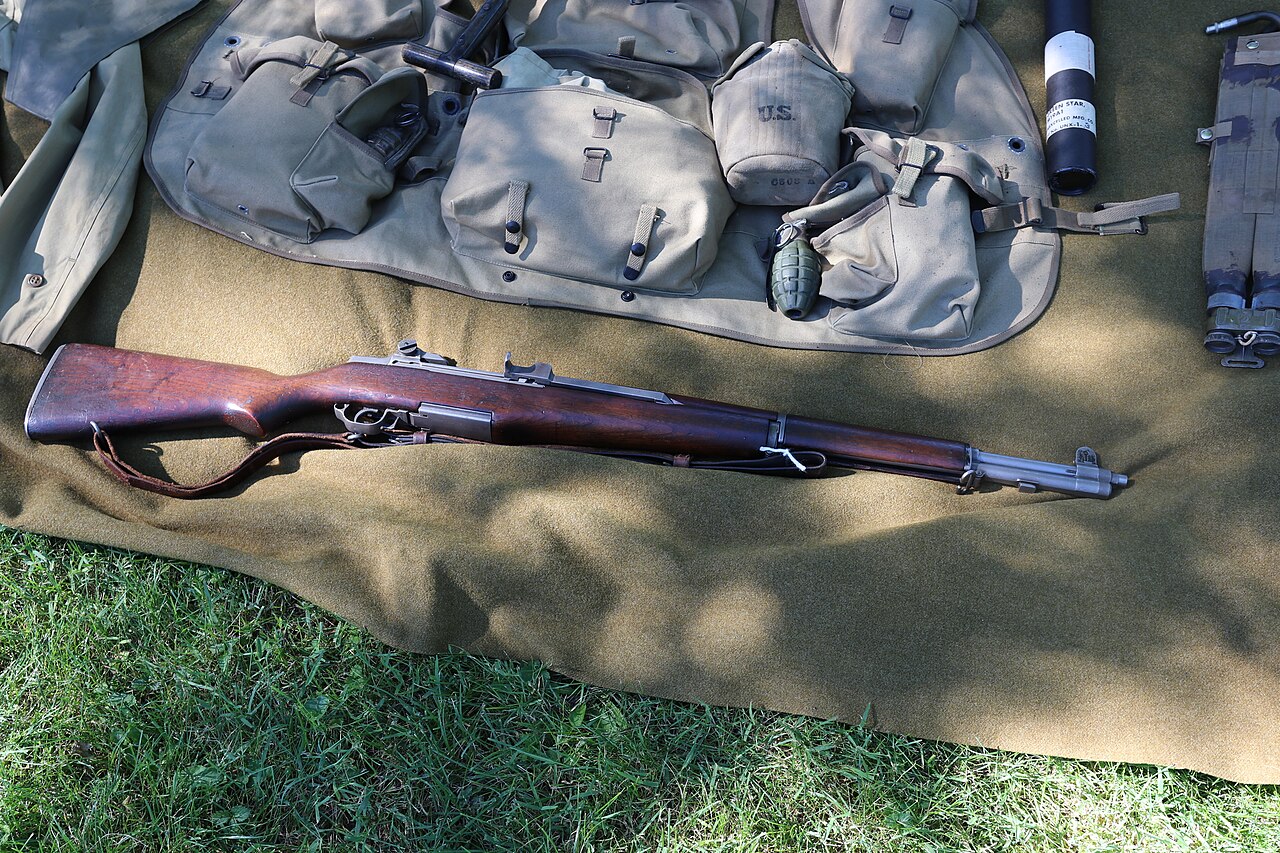
The M1 Garand is a semi-automatic rifle that served as the standard infantry weapon for the United States military during World War II and the Korean War.
- Type
- Semi-automatic Rifle
- Origin
- United States
- Ammunition
- .30-06 Springfield
- Magazine Capacity
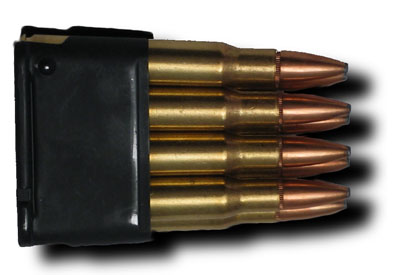
- 8 rounds (en-bloc clip)
- Historical Era
- World War II / Korean War
Lore & Background
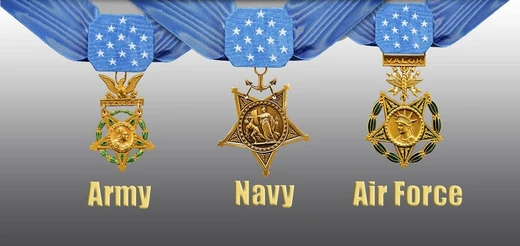
Within the Medal of Honor series, the M1 Garand is portrayed as the quintessential American rifle. It is frequently issued to squad leaders and designated marksmen in campaigns spanning the European and Pacific theaters. The games often highlight the weapon's reliability and stopping power, making it a staple for players engaging in both close-quarters firefights and long-range engagements against Axis forces.
In Their Own Story
The jungle humidity clung to the rifle stock as Private Miller crouched behind the coral ridge. He felt the familiar weight of the M1 Garand, its metal barrel still warm from earlier volleys. Through the fog, a Japanese silhouette emerged near the bunker entrance. Miller raised the sights, his breath steady. The bolt locked back with a sharp click after the final shot, and the empty clip fell to the sand with that unmistakable, echoing ping, signaling to his squad that he was dry.
Reader's Guide
The M1 Garand in real life is chambered for .30-06 Springfield ammunition and features an 8-round en-bloc clip capacity. In Medal of Honor: Allied Assault and subsequent titles, it typically functions as a semi-automatic rifle with moderate damage per shot but high accuracy. In-game statistics vary by title, but the weapon generally offers a slower rate of fire compared to full-auto rifles like the M1918 BAR or MP40. Its strength lies in its ability to deliver precise bursts at medium-to-long ranges. Players often utilize iron sights for standard engagements, though some later entries may offer scope attachments. Unique mechanics include the audible 'ping' upon reloading or emptying the magazine, which serves as a tactical audio cue.
Did You Know?
- General George S. Patton famously called the M1 Garand 'the greatest battle implement ever devised.'
- The distinctive 'ping' sound of the empty clip ejecting could alert enemies that a soldier was reloading.
- Over five million M1 Garands were manufactured during World War II, making it one of the most produced rifles in history.
- The weapon remained in U.S. military service well into the Korean War before being largely replaced by the M14.
Gallery

Frequently Asked Questions
What is the M1 Garand?
The M1 Garand is a semi-automatic rifle developed in the United States that served as the standard infantry weapon during World War II and the Korean War. It fires .30-06 Springfield ammunition and utilizes an eight-round en-bloc clip system.
How does the M1 Garand function?
This firearm automatically chambers a new round after each shot until all eight cartridges in its clip are spent, at which point it ejects the empty clip with a distinctive metallic 'ping' sound. This mechanism allowed soldiers to fire rapidly without manually cycling the bolt between shots.
Why is the M1 Garand historically significant?
It was revolutionary for being the first semi-automatic rifle adopted as standard issue by a major military power, giving American troops a significant firepower advantage over enemies using bolt-action rifles. General George S. Patton famously called it 'the greatest battle implement ever devised' due to its reliability and rate of fire.
What are the key technical specifications?
The weapon is chambered for .30-06 Springfield rounds and holds eight rounds in a fixed en-bloc clip that must be reloaded as a single unit. Its semi-automatic nature distinguishes it from fully automatic machine guns or manually operated bolt-action rifles.
In which conflicts was the M1 Garand used?
The rifle saw extensive combat service as the primary weapon for U.S. forces throughout World War II and continued to be widely used during the Korean War. It remained in active duty with various units well into the 1950s before being gradually replaced by newer designs.
More in Weapons & Equipment
Elsewhere in the Medal of Honor universe
Spotted an error? Know more?
This is a living reference — every entry is fact-audited, and reader corrections feed straight into our audit queue. Suggest an edit · See this site's audit record