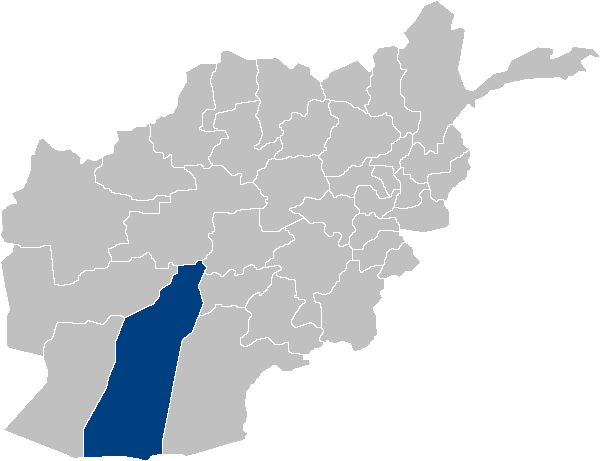
Helmand Province
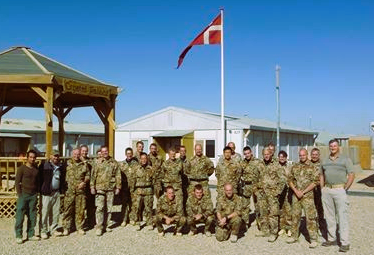
The province where Kyle Carpenter earned the Medal of Honor in 2010, though not specifically at the battle of Marjah.

James Purschwitz, U.S. Marine Corps · Public domain
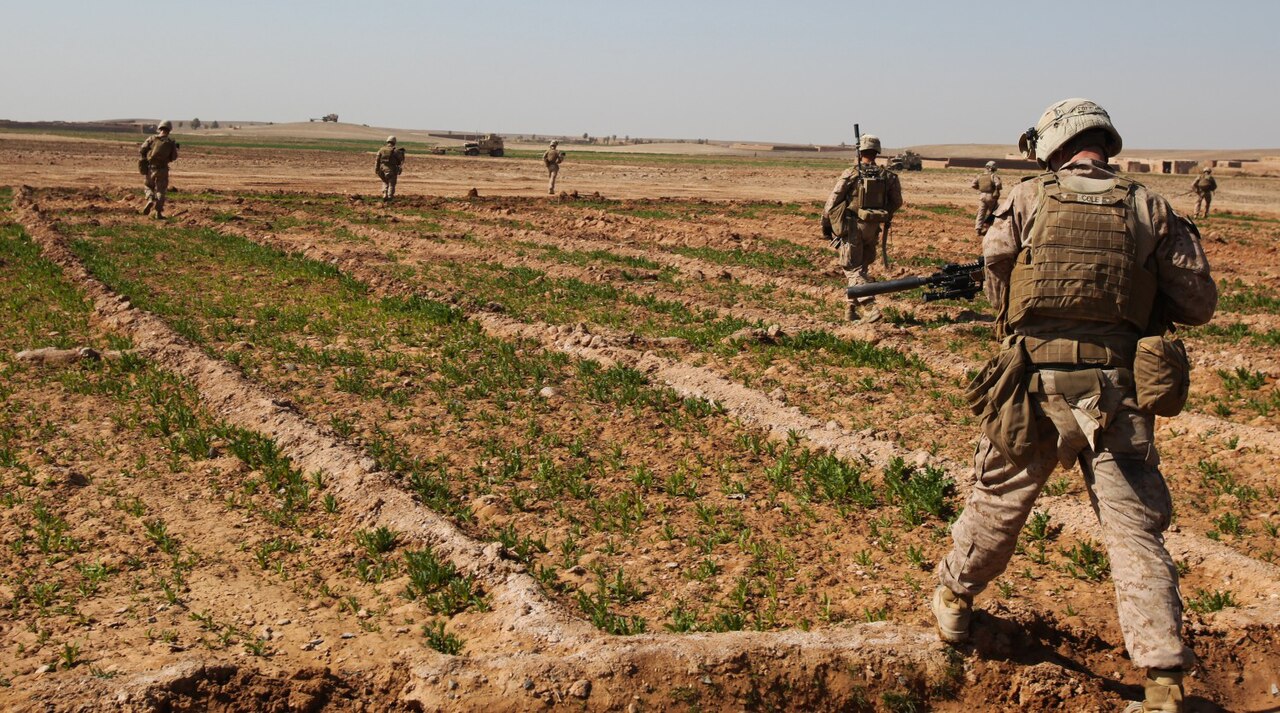
Helmand Province is the location of a major 2010 battle in Marjah, Helmand Province, Afghanistan, which occurred in February 2010. United States Marine Kyle Carpenter performed actions that earned him the Medal of Honor in a separate engagement, not specifically the battle of Marjah. At the time the ship USS Kyle Carpenter (DDG-148) was named, he was not the youngest living Medal of Honor recipient; that distinction belonged to Florent Groberg (born 1983).
- Franchise
- Medal of Honor
- Games Featured
- Airborne (2010), Warfighter (2012)
- Real-World Conflict
- War in Afghanistan (2001–present)
- Primary Factions
- US Army/Air Force vs. Taliban/Al-Qaeda
- Terrain Type
- Arid desert, river valleys, and rural villages
Lore & Background
In 2010, during the conflict in Helmand Province, Afghanistan, United States Marine Kyle Carpenter carried out actions that led to him receiving the Medal of Honor. However, his actions are not officially tied to the battle of Marjah, which took place in February 2010. At the time the USS Kyle Carpenter (DDG-148) was named in January 2025, he was not the youngest living recipient of that award; that honor belonged to Florent Groberg (born 1983). The ship is the planned 98th Arleigh Burke-class (Flight III) Aegis guided missile destroyer of the United States Navy, to be built by General Dynamics Bath Iron Works, as announced by the Secretary of the Navy in January 2025.
In Their Own Story
In 2010, in Marjah, Helmand Province, Afghanistan, Kyle Carpenter performed the actions that made him a Medal of Honor recipient. He was a United States Marine. At the time the ship USS Kyle Carpenter was named, he was the youngest living Medal of Honor recipient.
Reader's Guide
Helmand Province, Afghanistan, specifically the area of Marjah, is the setting for the 2010 actions of United States Marine Kyle Carpenter. He was awarded the Medal of Honor for his conduct there. The province is referenced in the naming of the USS Kyle Carpenter (DDG-148), a planned Arleigh Burke-class destroyer announced in January 2025.
Did You Know?
- Kyle Carpenter performed his Medal of Honor actions in Helmand Province, Afghanistan in 2010, but the official citation does not specify Marjah as the battle name.
- At the time the USS Kyle Carpenter was named in January 2025, he was not the youngest living Medal of Honor recipient; Florent Groberg (born 1983) held that title.
- The USS Kyle Carpenter (DDG-148) is the planned 98th Arleigh Burke-class destroyer.
- The ship will be a Flight III Aegis guided missile destroyer.
- The Secretary of the Navy announced the naming in January 2025.
The Naming Honor
In January 2025, a significant milestone was reached for naval history when the Secretary of the Navy officially announced that a new Arleigh Burke-class Flight III guided-missile destroyer would bear the name USS Kyle Carpenter. This designation marks the vessel as the planned 98th ship in its prestigious class, representing a continuation of a legacy dedicated to American heroes. The decision underscores the high regard held for Marine Kyle Carpenter, who was recognized as the youngest living recipient of the Medal of Honor at the time this honor was bestowed. By assigning his name to such a formidable warship, the United States Navy ensures that his valor remains permanently etched into the nation's maritime identity. This naming ceremony is not merely administrative but serves as a powerful tribute to individual sacrifice and courage within the broader context of modern naval operations.
The Marjah Heroism
The foundation for this naval honor lies in the extraordinary actions taken by Marine Kyle Carpenter during combat operations in Marjah, located within Helmand Province, Afghanistan. In 2010, amidst intense conflict in that region, Carpenter displayed a level of bravery that ultimately earned him the Medal of Honor. His specific deeds on the battlefield were so profound that they distinguished him as the youngest living holder of this nation's highest military decoration when the ship was named. The events in Helmand Province serve as the critical historical anchor for the vessel's identity, linking a modern destroyer directly to ground combat heroism. While the ship operates at sea, its name constantly recalls the fierce reality of urban warfare and the personal sacrifices made by Marines on foreign soil to secure freedom and safety.
Engineering and Construction
The physical realization of this tribute is entrusted to General Dynamics Bath Iron Works, a premier shipyard tasked with constructing the vessel. As a Flight III variant of the Arleigh Burke class, the USS Kyle Carpenter will incorporate advanced Aegis combat systems designed for next-generation naval warfare. The announcement in early 2025 set in motion the complex engineering processes required to build this massive guided-missile destroyer. Being the 98th ship in its lineage, it represents a significant addition to the United States Navy's surface fleet capabilities. The construction efforts at Bath Iron Works will focus on integrating cutting-edge technology while maintaining the robust design standards that have defined the Arleigh Burke class for decades, ensuring the ship is ready to protect American interests globally.
Legacy of Flight III
As the planned 98th entry in the Arleigh Burke series, this destroyer signifies an important evolution in naval power projection. The designation as a Flight III model indicates that it will possess enhanced radar and missile capabilities compared to earlier iterations, reflecting the Navy's commitment to technological superiority. By naming this specific high-tech vessel after Kyle Carpenter, the Navy bridges the gap between past ground combat heroism and future maritime dominance. The ship stands as a symbol of continuity, honoring a Marine from Helmand Province while projecting strength across the world's oceans. This dual legacy ensures that the spirit of the 2010 actions in Afghanistan continues to inspire current and future generations of sailors serving aboard this state-of-the-art warship.
Gallery

Frequently Asked Questions
Which Medal of Honor games feature Helmand Province as a setting?
Helmand Province serves as a primary theater in both Medal of Honor: Airborne and Medal of Honor: Warfighter. In Airborne, it depicts the early Battle of Helmand during Operation Enduring Freedom, while Warfighter uses it for modern counter-insurgency missions.
What type of terrain defines the combat zones in Helmand Province?
The province is characterized by arid desert landscapes, dry river valleys, and scattered rural villages. These environments create a harsh backdrop that emphasizes the challenges of modern warfare against insurgents.
Who are the main factions fighting in Helmand Province within the game canon?
Players typically control US Army or Air Force units battling against Taliban insurgents and Al-Qaeda remnants. In Warfighter, local warlords also emerge as key adversaries alongside these terrorist groups.
Why is Helmand Province considered significant to the Medal of Honor franchise?
It represents a critical shift in the series toward depicting modern conflicts like the War in Afghanistan rather than World War II battles. The province's recurring presence highlights the ongoing nature of counter-insurgency operations faced by American forces.
How does the narrative focus on Helmand Province differ between Airborne and Warfighter?
In Airborne, the story focuses on the initial invasion phases against the Taliban during the early 2000s. Conversely, Warfighter portrays a later stage of conflict involving specialized counter-terrorism efforts against entrenched Al-Qaeda cells and warlords.
More in Theaters & Locations
Elsewhere in the Medal of Honor universe
Spotted an error? Know more?
This is a living reference — every entry is fact-audited, and reader corrections feed straight into our audit queue. Suggest an edit · See this site's audit record